JAMIE RASKIN CHALLENGES JIM JORDAN OVER THE $118,000 AMISH SCHOOL CONTROVERSY — A CONSTITUTIONAL CLASH OVER RELIGIOUS FREEDOM AND GOVERNMENT POWER
The debate over religious liberty and public health has never been simple. It becomes even more complicated when constitutional rights collide with state regulations designed to protect entire communities.
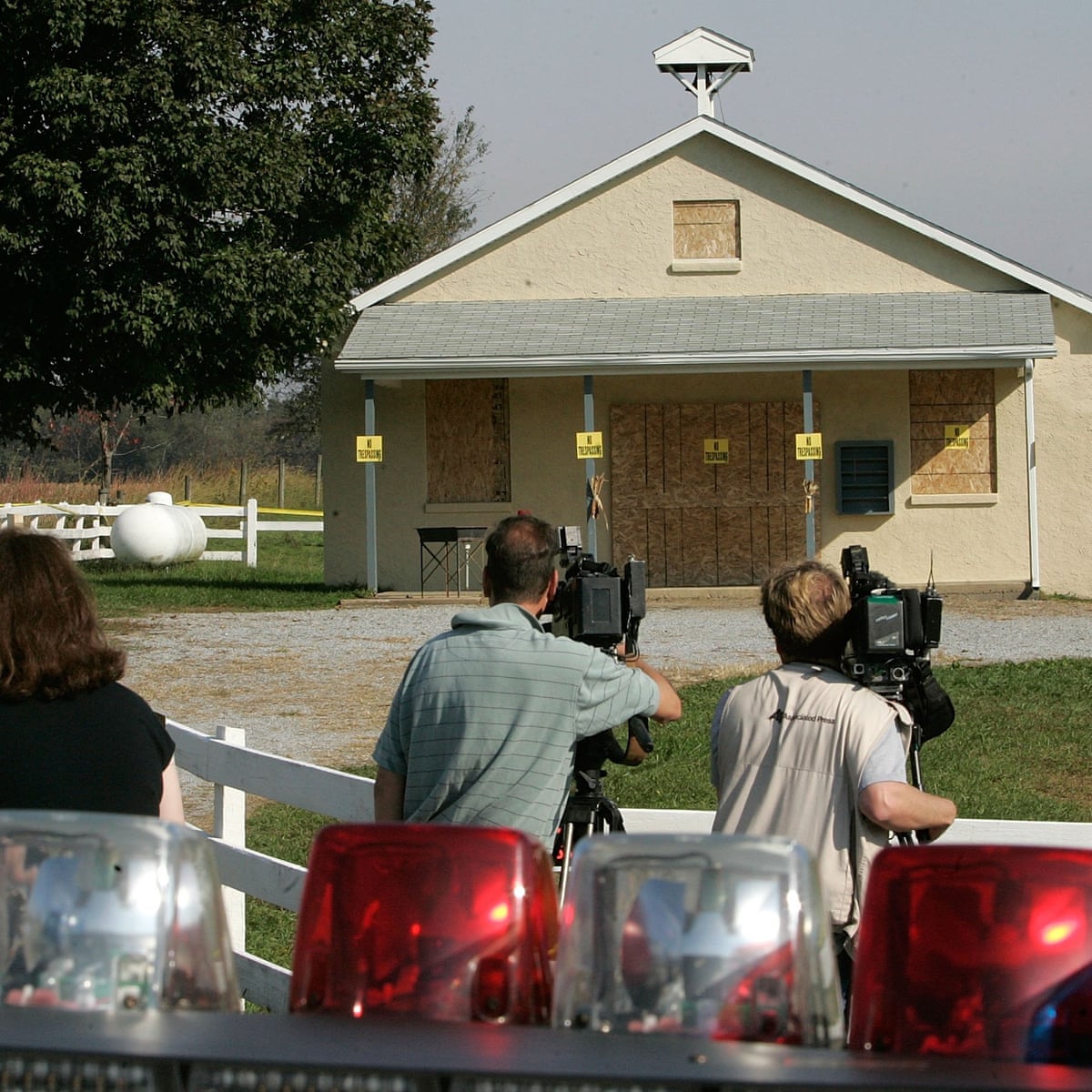
Three Amish schools in New York became the center of that conflict after receiving a combined $118,000 in penalties for violating the state’s school vaccination requirements. The dispute raised difficult questions about religious exemptions, parental authority, and the government’s responsibility to prevent the spread of infectious diseases.
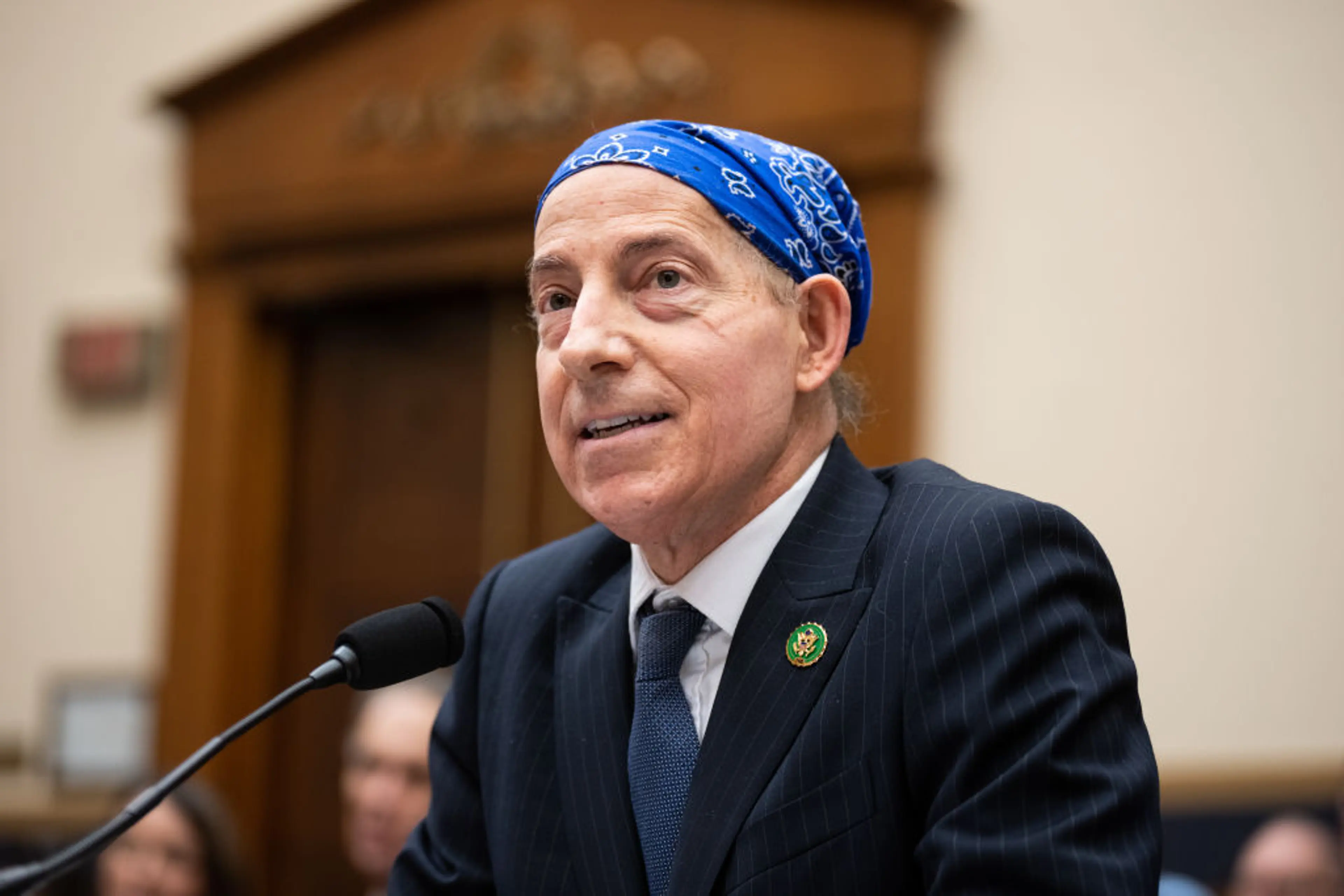
Now picture a tense congressional exchange between Representative Jamie Raskin and Representative Jim Jordan. Raskin presses Jordan to explain where religious freedom should end when public-health rules are involved.
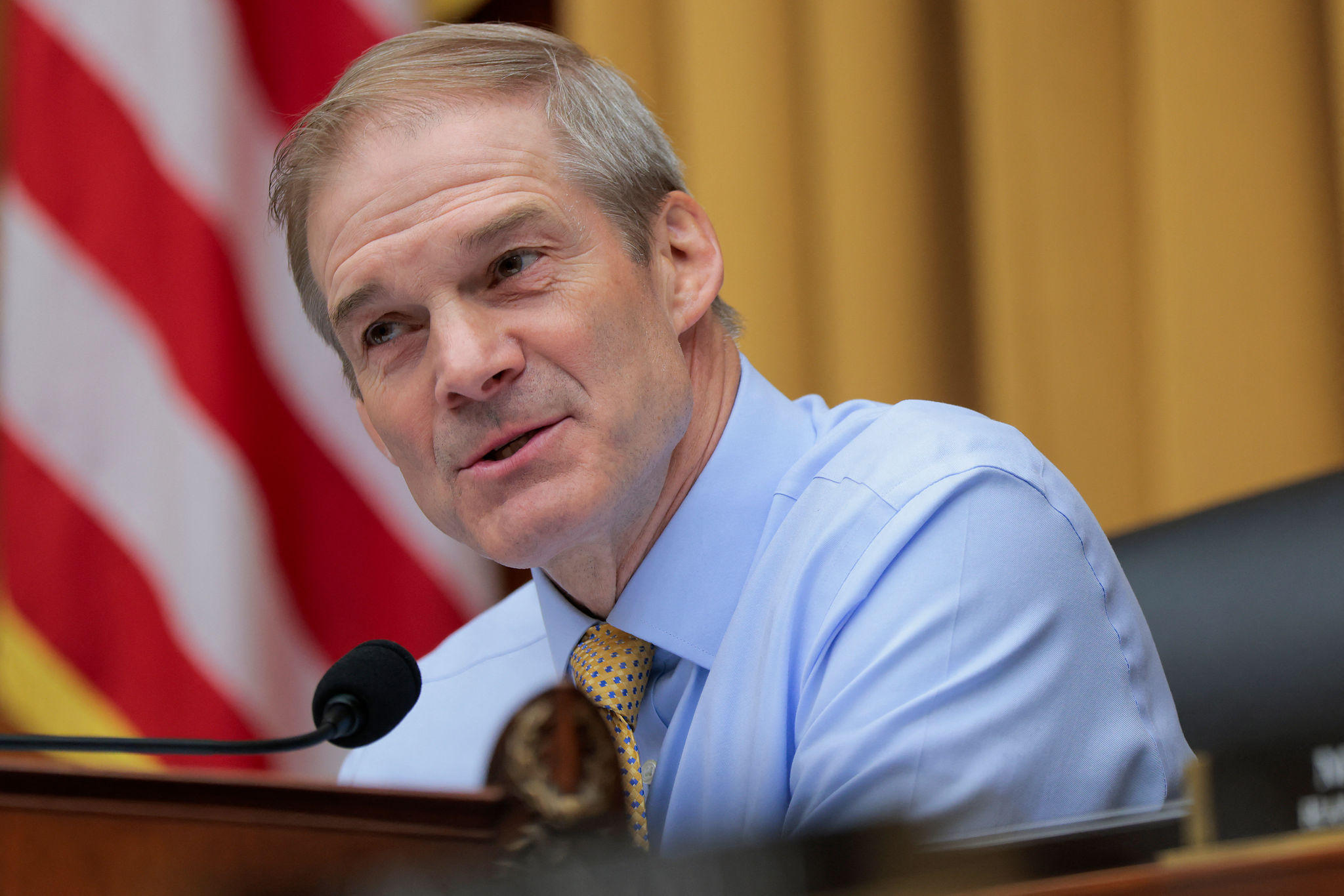
Jordan faces an equally difficult challenge: defending religious liberty without dismissing the state’s responsibility to protect students and surrounding communities.
The imagined confrontation would be about far more than three schools or a six-figure penalty. It would expose a fundamental disagreement over how constitutional freedoms should function when individual convictions conflict with public policy.
The $118,000 Dispute Behind the Political Debate
The controversy began with a major change in New York’s public-health policy.
For decades, the state allowed families to seek religious exemptions from school vaccination requirements. That changed in 2019, when lawmakers repealed the religious exemption following a serious measles outbreak.
The repeal left medical exemptions available for children who qualify under the law. However, families could no longer rely solely on religious objections to avoid the school vaccination requirements.
The three Amish schools affected were Dygert Road School, Pleasant View School, also known as Twin Mountain School, and Shady Lane School.
New York health officials audited the schools in November and December 2021. In March 2022, the department concluded that students had attended without the required immunization documentation or valid medical exemptions.
The state subsequently imposed penalties totaling $118,000. Dygert Road School received a $52,000 fine, Twin Mountain received $46,000, and Shady Lane received $20,000.
The schools and Amish parents challenged the enforcement in court. They argued that the law burdened their religious practices and interfered with their ability to educate children within their communities.
Their argument was not simply about avoiding a financial penalty. They maintained that community schooling played an important role in preserving their religious identity and way of life.
That distinction matters because the dispute reaches beyond vaccination policy. It raises questions about whether government regulations can indirectly pressure families to abandon practices they consider essential to their faith.
Raskin’s Constitutional Challenge to Jordan
In the imagined congressional exchange, Raskin would likely begin by separating religious freedom from unlimited freedom to disregard public regulations.
A constitutional right deserves serious protection. However, lawmakers must also consider the consequences when individual decisions affect other people.
Raskin could ask Jordan whether religious objections should automatically override vaccination requirements in every school. He could also question whether exemptions should depend on the nature of the religious belief or the public-health circumstances.
His central argument would focus on equal treatment under the law. If a state establishes vaccination requirements for students, should it be allowed to enforce those requirements consistently?
Jordan would face a different constitutional question. He would need to explain whether the government had gone too far by eliminating a religious exemption that previously existed for decades.
The Ohio Republican could argue that religious liberty cannot depend entirely on whether government officials consider a particular belief reasonable. Constitutional protections exist partly to protect unpopular convictions.
He could also challenge the idea that a general public-health objective automatically resolves every question about individual religious rights.
That disagreement would give the fictional exchange its intensity. Raskin would emphasize collective responsibility, while Jordan would insist that constitutional protections must remain meaningful when government policy becomes restrictive.
Neither position would eliminate the difficult questions facing lawmakers.
The First Amendment Is Not a Simple Political Talking Point
The First Amendment protects the free exercise of religion. Courts have repeatedly examined how that protection applies when religious practices conflict with generally applicable laws.
However, the constitutional analysis depends on the details of each dispute. A sincere religious objection does not automatically guarantee an exemption from every government requirement.
The Supreme Court’s decision in Employment Division v. Smith established an important framework for neutral laws of general applicability. Later decisions have examined circumstances where exemptions or discretionary enforcement create different constitutional concerns.
The Amish school dispute also invokes Wisconsin v. Yoder, a landmark 1972 case involving Amish parents and compulsory education requirements.
In Yoder, the Supreme Court recognized important parental and religious interests in the education of Amish children. The decision did not establish a universal exemption from all government regulations.
That distinction would be central to a debate between Raskin and Jordan. The question is not simply whether religious liberty matters.
The question is how courts should evaluate the specific burden imposed by a particular law.
The Supreme Court’s 2025 decision in Mahmoud v. Taylor added another important dimension to this discussion. It addressed parental religious rights in a dispute involving public-school instructional materials.
The Amish families argued that the decision supported their constitutional challenge. New York maintained that its vaccination requirements presented a different legal situation.
In June 2026, the Second Circuit reconsidered the Amish case after the Supreme Court’s remand. It again upheld the dismissal of the families’ claims, concluding that the state law was neutral and generally applicable.

Why Public Health Remains Central to the Argument
Supporters of New York’s policy point to the public-health circumstances surrounding the 2019 repeal.
The state experienced a serious measles outbreak during 2018 and 2019. New York was among the hardest-hit areas, and outbreaks were associated with communities containing substantial numbers of unvaccinated individuals.
Lawmakers argued that broad religious exemptions could weaken the effectiveness of school vaccination requirements. They believed removing those exemptions would reduce the risk of transmission among students.
That concern extends beyond the children whose parents object to vaccination. Infectious diseases can affect students with medical vulnerabilities and others who cannot receive certain vaccines.
A school is also part of a wider community. Students interact with relatives, teachers, neighbors, and people whose medical circumstances may make exposure especially dangerous.
From that perspective, vaccination requirements are not merely administrative rules. They are tools intended to reduce risks that can spread beyond individual families.
Yet the public-health argument does not make every enforcement decision immune from constitutional scrutiny.
Government agencies must still follow the law. Their penalties should have a legal basis, and affected families must have meaningful opportunities to challenge enforcement.
In this case, the Second Circuit’s June 2026 decision addressed the constitutional challenge to the law. It did not transform the controversy into a simple disagreement about whether public health matters.
The real dispute concerns how much weight the government must give religious objections when it pursues a legitimate public-health objective.
A Courtroom Disagreement That Refuses to Disappear
The legal developments following the Second Circuit’s ruling reveal how contested the constitutional issues remain.
On November 17, 2026, the Second Circuit denied a request for rehearing the case before the full court. Three judges dissented from that decision.
Their disagreement focused on whether the panel had properly applied the Supreme Court’s reasoning in Mahmoud v. Taylor.
The dissenting judges argued that New York’s law placed a substantial burden on Amish parents seeking to raise their children according to their religious beliefs. They also warned about the consequences for Amish community education.
The majority’s earlier ruling remained in place. The dissent, however, demonstrated that the constitutional debate had not disappeared with the court’s decision.

This development would give the imagined Raskin-Jordan confrontation another layer of complexity.
Raskin could point to the court’s ruling as evidence that the state had prevailed under the governing constitutional framework. Jordan could counter that judicial decisions can be contested and that dissenting opinions deserve public consideration.
The two lawmakers might also disagree about what Congress should do next. Should federal lawmakers investigate the enforcement process, consider legislation, or leave the dispute to the courts and state officials?
Those questions would be especially difficult because Congress cannot simply erase constitutional disagreements through political speeches.
Any legislative response would need to account for federalism, state authority, public-health expertise, and First Amendment protections.
The controversy therefore offers no effortless political victory. It requires lawmakers to confront competing interests without pretending that one side has no legitimate concerns.
What Would a Fair Balance Actually Look Like?
The most productive part of the imagined debate would come when both representatives move beyond partisan accusations.
Religious communities should not have to prove that their beliefs are popular before receiving constitutional protection. Government officials should not possess unlimited discretion over which religious practices deserve consideration.
At the same time, public-health protections cannot function effectively if every individual requirement becomes optional whenever someone objects.
A serious policy discussion would examine whether narrower accommodations could protect religious practices without creating unacceptable risks.
Lawmakers could consider transparent exemption procedures, clear medical standards, and consistent enforcement rules. They could also examine whether alternative arrangements are practical for particular schools and communities.
However, any accommodation would need careful evaluation. A policy that appears reasonable on paper might still undermine the state’s public-health objectives.
Likewise, a regulation that appears neutral might impose unusually severe consequences on a small religious community.
The challenge is to examine those consequences honestly rather than treating constitutional rights as political slogans.
Raskin and Jordan could disagree about the answer while acknowledging that the underlying questions deserve serious attention.
That would make the exchange more meaningful than a conventional partisan argument. It would force both representatives to explain what their constitutional principles require when those principles become difficult to apply.
The Question That Both Parties Must Answer
The $118,000 Amish school controversy highlights a conflict that reaches far beyond New York.
It asks whether religious freedom should permit exceptions to generally applicable public-health rules. It also asks how much authority government should exercise when protecting the wider community.
For Amish families, the dispute involves more than vaccination documentation. Their legal challenge describes community education as an important part of passing religious traditions to the next generation.
For public-health officials, the issue involves protecting students and reducing the possibility of preventable disease outbreaks.
For constitutional lawyers, the dispute concerns the relationship between religious exercise, parental rights, and neutral government regulations.
And for lawmakers, the controversy presents a difficult test of principle.
A representative defending religious liberty must explain how exemptions can coexist with public safety. A representative defending public-health requirements must explain how enforcement respects constitutional freedoms.
The imagined confrontation between Raskin and Jordan would therefore carry significance beyond either politician’s party affiliation.
It would remind Americans that constitutional rights often require careful judgment rather than easy slogans.
The courts have issued important decisions, but the broader policy debate remains relevant. The November 2026 denial of rehearing left the Second Circuit’s ruling intact while highlighting continuing disagreement among judges.
Ultimately, the question is not whether religious freedom or public health should matter. Both deserve serious consideration.
The harder question is how government can protect public safety without unnecessarily burdening religious communities.
Should New York restore religious exemptions for Amish schools, or should vaccination requirements apply equally to every student?


